
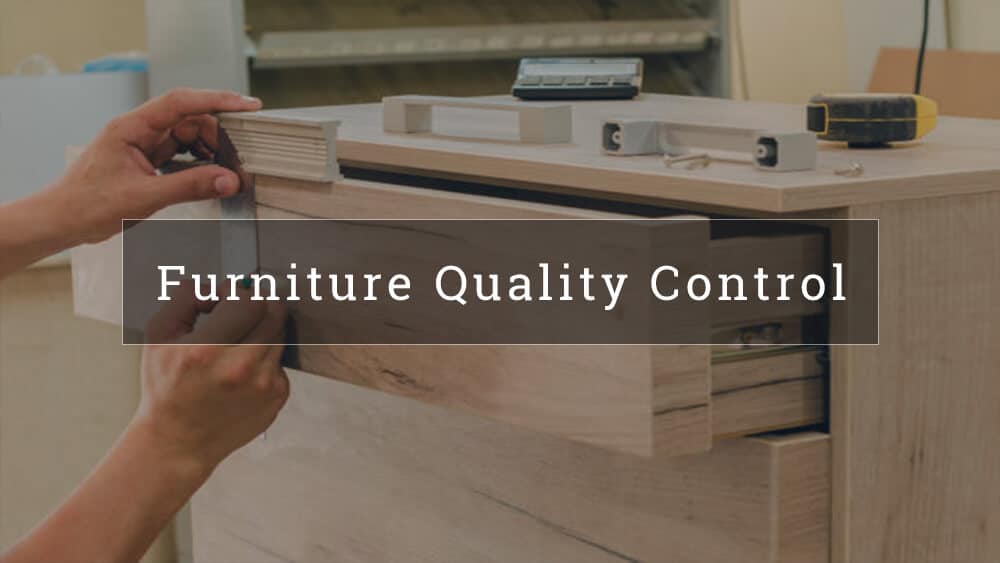
Both furniture retailers and wholesalers constantly seek new products, making quality control (QC) the cornerstone of customer satisfaction. This guide covers essential furniture inspection processes, international standards, and actionable tips to ensure your shipments meet the highest benchmarks.
As a professional home furniture manufacturer, HOMVND understands that importers need confidence in product quality, safety, and regulatory compliance. Poor quality doesn’t just lead to returns—it can cause serious safety hazards. Here’s how to protect your business.
Why Quality Control is Non-Negotiable for Furniture Importers
Quality control ensures manufactured products meet specific standards before hitting the market. Its importance is evident across industries, but in furniture manufacturing, it directly impacts durability and user safety.
Below are 10 key reasons why importers must prioritize QC, ranging from protecting end-users to avoiding costly repairs and meeting regulatory demands. Simply put, overlooking quality control is not an option.
- Protect End-Users: Furniture directly impacts user safety; poor quality can lead to injuries.
- Avoid Costly Repairs: Fixing defects post-delivery is significantly more expensive than preventing them.
- Reduce Return Rates: High-quality products lead to fewer returns and happier customers.
- Maintain Brand Reputation: Consistent quality builds trust and long-term brand loyalty.
- Ensure Structural Integrity: Verify that all pieces are sturdy and safe for household use.
- Comply with Safety Regulations: Avoid legal issues by meeting international safety standards (ASTM, EN).
- Prevent Shipping Damage: Proper pre-shipment checks reduce damage caused by weak packaging.
- Optimize Supply Chain Efficiency: QC identifies issues early, preventing production delays.
- Meet Warranty Obligations: High initial quality minimizes warranty claims and service costs.
- Gain Competitive Advantage: Superior quality differentiates you from competitors in a crowded market.

As you see, there are several factors why quality control is essential for furniture. Importers need to ensure that they are receiving products of the highest quality to protect the safety of users, meet regulatory requirements, and avoid costly repairs. Quality control is essential in furniture manufacturing and should not be overlooked.

The Challenge: Navigating Varying Global Standards
Ensuring imported furniture meets QC standards can be difficult because requirements vary significantly by country and manufacturer. If you aren’t familiar with a specific region’s regulations, verifying compliance becomes a major hurdle.
To address this, here are 12 critical factors to consider during inspection, ensuring your products align with international expectations.
- Structural Stability: Ensure the furniture stands firmly without wobbling or creaking.
- Material Authenticity: Verify that materials match the order specifications (e.g., solid wood vs. MDF).
- Surface Finish: Check for scratches, dents, stains, color mismatches, or uneven paint.
- Hardware Functionality: Test all hinges, drawer slides, knobs, and handles for smooth operation.
- Dimensional Accuracy: Confirm measurements match the design specifications to ensure proper assembly.
- Assembly Quality: Inspect joints, glue application, and screw tightness for durability.
- Packaging Integrity: Ensure boxes are sturdy, correctly sized, and protective enough for shipping.
- Labeling & Markings: Check for correct SKU numbers, handling instructions, and warning labels.
- Odor & VOC Levels: Assess for any harmful chemical smells that could affect indoor air quality.
- Fabric & Upholstery: Inspect for tears, stains, loose threads, and consistent stitching.
- Safety Standards Compliance: Ensure compliance with destination country safety regulations (e.g., CPSC, EN 14749).
- Loading & Unloading Safety: Verify that the design allows for safe handling and does not pose pinch hazards.

Common Furniture Defects & How to Fix Them
Even well-built furniture can suffer from manufacturing flaws. Common issues include structural weaknesses, misalignments, and finish defects. If problems occur, the best course of action is to hire a professional furniture repair service or negotiate a replacement with your supplier immediately.
When inspecting furniture, focus on these core areas:
- Safety compliance
- Structural integrity
- Surface finish quality
- Hardware functionality
At HOMVND, we offer comprehensive services to help you maintain these standards, ensuring your products are free of defects before shipment.
Key Aspects of Professional Furniture Testing
Testing furniture is a complex process. Here are the vital aspects inspectors evaluate:
- Safety Testing: Identifies sharp edges and ensures compliance with all safety standards.
- Strength & Stability Testing: Ensures furniture supports user weight safely (critical for chairs and beds).
- Material Testing: Verifies the safety and durability of materials, specifically screening for lead and other toxic substances.
- Structural Testing: Checks for weak points that could cause collapse.
- Functionality Testing: Confirms mechanisms (like recliners or adjustable beds) work correctly.

Critical International Standards to Know
When discussing furniture inspection, three standards are paramount:
- ASTM (USA)
- EN (Europe)
- ISO (International)
These standards dictate everything from load-bearing capacity to chemical content limits.
Action Plan: When Furniture Arrives Damaged
Despite best efforts, imported furniture may sometimes arrive damaged. If this happens, take immediate action:
- Document the damage with photos and videos.
- Notify the supplier immediately.
- Refer to your contract regarding replacements or repairs.
Working collaboratively with your furniture supplier helps resolve issues without major disruptions.
Collaborating with Suppliers for Perfect Specs
Importers can work proactively with suppliers by:
- Providing detailed technical drawings.
- Requesting pre-production samples.
- Conducting third-party inspections during production.
These steps ensure the final product matches your expectations in quality and accuracy.
Need Help with Furniture Inspection?
Maintaining strict QC is easier with the right partner. If you have inquiries or need assistance getting started, the team at HOMVND is here to help.
Contact us today to discuss your wholesale furniture needs.